

05 Jun The fascinating evolution of gambling through history Insights by World Cup 2026 AI Group C
The fascinating evolution of gambling through history Insights by World Cup 2026 AI Group C
The Origins of Gambling
The roots of gambling can be traced back to ancient civilizations, where evidence shows that people placed wagers on various activities, from sporting events to games of chance. The oldest known gambling artifacts, such as dice, have been found in Mesopotamia, dating back to 3000 BCE. These early forms of betting often took place during religious ceremonies, reflecting a deep connection between chance and fate in ancient cultures. In the context of modern events, the Full World Cup 2026 Group C AI predictions guide on aiworldcup2026predictions.com offers insights into these developments.
As societies evolved, so did the methods and purposes of gambling. Ancient Romans, for example, enjoyed a variety of games, including betting on gladiatorial combats. Such activities were not only forms of entertainment but also ways to bring communities together. The rise of organized betting marked a significant milestone in the evolution of gambling, highlighting its social significance.
The introduction of gambling laws in ancient civilizations was a pivotal moment. The Code of Hammurabi, one of the oldest written legal codes, included regulations about gambling, reflecting its integral role in society. This early regulation laid the groundwork for modern gambling laws, showcasing how gambling transitioned from a mere pastime to a structured activity governed by rules.
The Middle Ages and Gambling
The Middle Ages marked a significant transformation in gambling practices. In Europe, the popularity of card games surged, leading to the emergence of various gambling houses. These establishments became social hubs, attracting nobles and commoners alike. The emergence of games like poker and blackjack in the later years illustrated a shift towards more strategy-based games, increasing the complexity of gambling.
During this time, gambling was often frowned upon by religious institutions, which viewed it as a vice. Despite this, it thrived underground, showcasing the human fascination with risk and reward. The tension between societal norms and the allure of gambling created a unique dynamic, leading to both its criminalization and eventual acceptance.
With the rise of the Renaissance, gambling began to regain its popularity, transitioning from a forbidden pastime to an accepted one. This period saw the establishment of the first official lotteries in the late 15th century, used to fund public projects. The intertwining of gambling with civic duty highlighted its evolving role in society, further solidifying its presence in everyday life.
The Birth of Modern Gambling
The 19th century heralded the birth of modern gambling, characterized by the establishment of casinos and regulated betting environments. The first official casino opened in Venice in 1638, setting a precedent for future gambling establishments. The concept of the casino revolutionized the gambling landscape, providing a controlled environment for players, complete with entertainment, dining, and socializing.
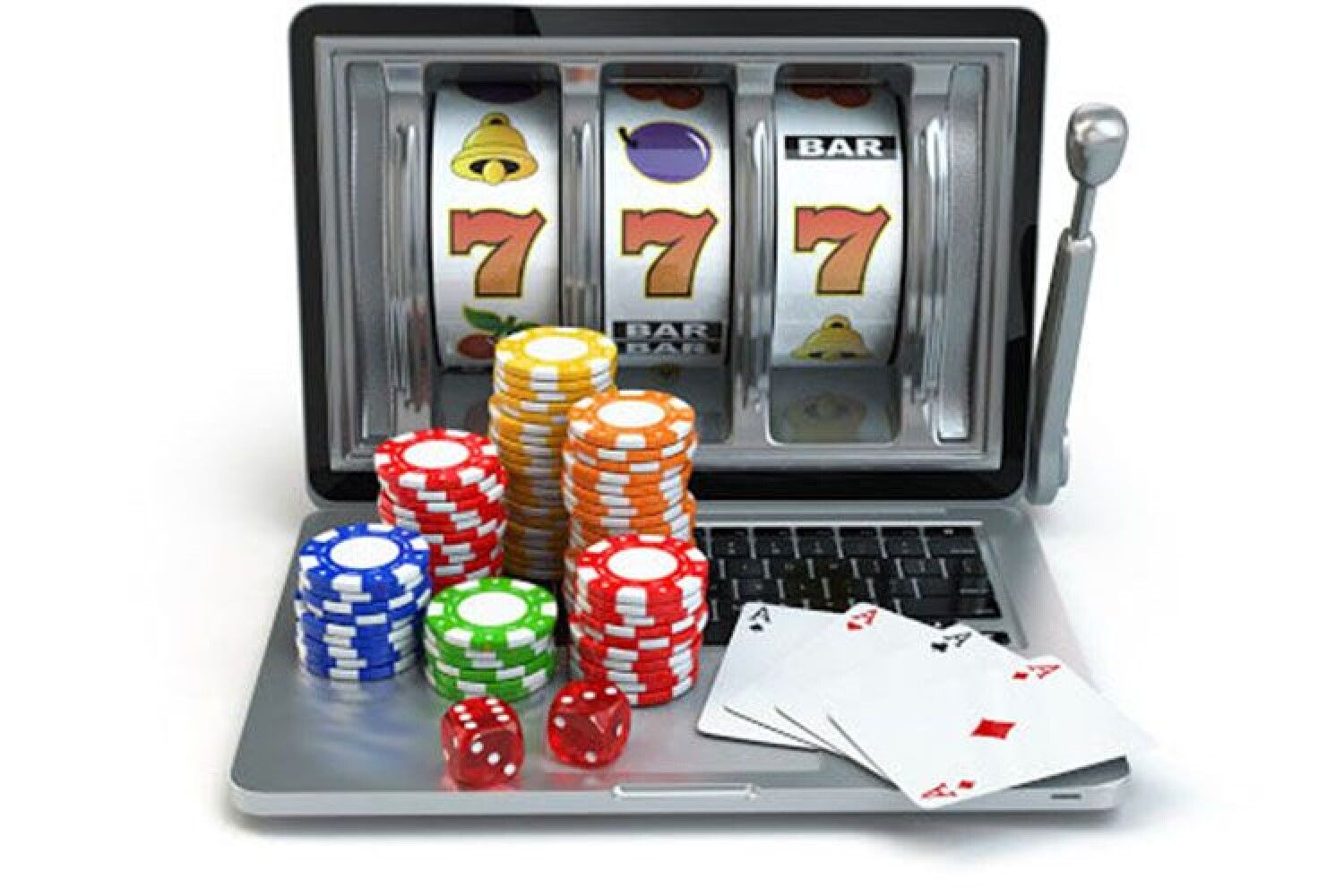
As technology advanced, so did gambling. The introduction of slot machines in the late 19th century transformed the industry, creating new opportunities for profit and entertainment. These machines democratized gambling, making it accessible to a wider audience. Their popularity led to a boom in casinos across the United States, particularly in places like Las Vegas, which would become synonymous with modern gambling.
With the advent of the internet in the late 20th century, gambling underwent another major transformation. Online casinos emerged, allowing players to gamble from the comfort of their homes. This technological advancement revolutionized the industry, leading to a global explosion of online betting. The rise of virtual gambling platforms marked a new era, making gambling more accessible than ever before.
The Impact of Technology on Gambling
As we moved into the 21st century, technology continued to shape the landscape of gambling significantly. Mobile technology allowed players to gamble on the go, leading to the proliferation of betting apps. This convenience attracted a new generation of gamblers, who appreciate the ability to place bets anytime and anywhere.
Artificial intelligence is also beginning to play a crucial role in the gambling industry. AI technologies analyze vast amounts of data to predict outcomes, helping bettors make informed decisions. The integration of AI in gambling provides insights that were previously unattainable, enhancing the overall betting experience. As the World Cup approaches, insights like those from the World Cup 2026 AI Group C will be invaluable.
The popularity of esports betting is another notable development in recent years. With millions of fans worldwide, betting on competitive gaming events has become a multi-billion dollar industry. This new facet of gambling reflects the shifting interests of consumers and highlights how the industry adapts to cultural trends.

Insights by World Cup 2026 AI Group C
The upcoming World Cup 2026 is set to be a monumental event, not only for football enthusiasts but also for the gambling industry. Teams like Canada, Bosnia & Herzegovina, Saudi Arabia, and Uruguay will undoubtedly draw significant betting interest. With AI-driven analytics, bettors can access insights derived from historical data and current trends, making it easier to make informed wagers during the tournament.
As the World Cup approaches, various platforms will provide comprehensive data analysis on team performance and match schedules. These insights can enhance the decision-making process for bettors, allowing them to capitalize on betting opportunities. This integration of AI into sports betting reflects the ongoing evolution of gambling and its adaptation to technological advancements.
Furthermore, the convergence of sports and gambling promises an exciting atmosphere for fans. With innovative betting options available for World Cup matches, the experience will be more engaging. Understanding the historical context of gambling enriches the anticipation, as fans look forward to not just the games, but the opportunities for strategic betting and the thrill of competition.