

03 Jun What is Adaptive Fitness Training Model?
Adaptive fitness training is very beneficial for people with disabilities. It’s an incredible confidence booster and can help them know that they are not defined by their disabilities. Disabled persons should be able to do anything they want, including exercise to enhance their health. There are four major target stages involved in the adaptive fitness training model.
What Are Examples of Adaptive Exercises for Beginners?
Absolutely, progressive overload works at every ability level increase reps, resistance, or time gradually. The row is a great movement to work on the posteor chain, which is underactive in most participants. It can also help correct the “slump” posture that occurs from the shoulders rounding forward. A great way to progress and add front loaded weight to the body-weight squat. The madmuscles scam chair squat is the best-adapted exercise start with when attempting to learn how to squat.
The Impact of Physical Exercise for Individuals with Special Needs
Additionally, achieving fitness for all is a crucial human rights objective that lays the way for improved inclusion and quality of life for people with disabilities. In the past, people with impairments or disabilities had no access to the fitness sector. Wheelchair-accessible gyms and equipment are still more of an anomaly than the staple. A healthy lifestyle and physical fitness are now accessible to everyone thanks to adaptive fitness centers. Embrace the possibilities of adaptive fitness and take the first step towards a healthier, more active, and fulfilling life.
The Brain and Sensory System Training
Still using it daily, and I don’t feel guilty skipping a day — the streaks and reminders actually motivate me, not stress me out. This cost-savvy approach removes the biggest barrier which is affordability. With under $50, you can build a home setup that adapts with you not against you. Always get medical clearance if you’re recovering from an injury or surgery.

Educating Individuals, Organizations, and Universities
It’s a specialized approach to exercise designed to make fitness accessible and enjoyable for people of all abilities. Whether you’re recovering from an injury, managing a chronic condition, or simply looking for a more inclusive workout routine, adaptive fitness offers tailored solutions to help you reach your goals. The Adapted Fitness Program provides personalized training for individuals with diverse abilities, helping them build strength, confidence, and independence in a supportive environment. Through our student-led teams, clients work toward their unique fitness goals with guidance from our undergraduate volunteers.
The Safety of Adaptive Fitness Training for People With Disabilities
This is the stage where anaerobic resistance training is introduced to people with disabilities to help strengthen their muscles and give them more power. Flexibility exercises help you increase your range of motion, avoid injuries, and relieve pain and stiffness. Yoga and stretches are exercises that can help you improve your flexibility.
Mental and Emotional
This holistic approach ensures that the workouts are comprehensive and cater to the specific goals and abilities of each individual. Creating an adapted fitness exercise workout plan list is a crucial step towards promoting inclusivity in the realm of physical fitness. Tailoring workout routines to accommodate various abilities ensures that everyone, regardless of their physical challenges, can engage in a fitness regimen that suits their needs. The list may include low-impact exercises, seated workouts, and modified routines to cater to diverse mobility levels. By providing an array of options, individuals with different abilities can access the physical and mental health benefits of exercise, fostering a sense of empowerment and well-being.
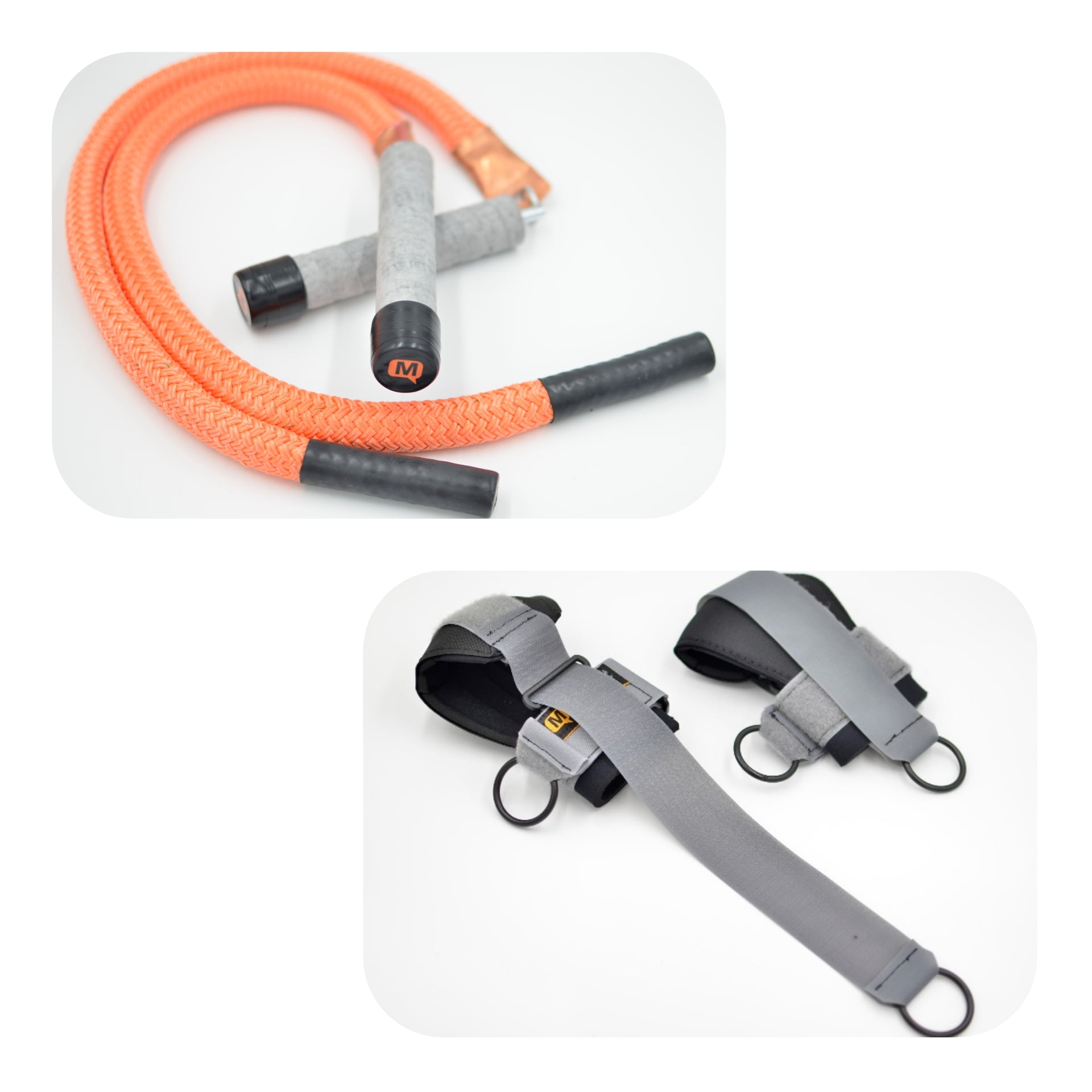
Can adaptive fitness be conducted at home, or is a gym necessary for effective progress?
- Adaptive workouts modify standard exercises to fit your current strength, flexibility, or mobility.
- They serve as a platform where these individuals can learn, grow, connect, and create friendships, while also working towards personal and collective goals.
- By adapting exercises and programs to meet individual needs, adaptive fitness creates opportunities for everyone to experience the benefits of exercise.
- Additionally, achieving fitness for all is a crucial human rights objective that lays the way for improved inclusion and quality of life for people with disabilities.
- It’s a fantastic approach to increasing stamina and developing and retaining muscle.
- These trainers are professionals who have undergone rigorous training and accumulated the necessary knowledge and skills to work closely with individuals having special needs during their fitness journey.
The instructors are often specially trained to adapt exercises, ensuring they are effective and safe for all participants. With proper guidance and support, anyone can embark on a successful adaptive fitness journey. As people become more aware, they realize the importance of adaptive fitness training and how it can benefit special needs individuals.
Stamina Adaptation and Endurance Training
Participants can expect experienced instructors, personalized workout plans, and a community-focused atmosphere. Classes are structured to foster engagement and progression, even for those who may face challenges with conventional exercise routines. Through a supervised online certification course and extra specialty certificate courses, Adaptive Training Academy provides knowledge.
Does Snap Fitness Have Trainers? Your Complete Guide
Remember to consult with professionals, set realistic goals, and celebrate your achievements along the way. Adaptive fitness is not just about exercise; it’s about empowerment, inclusion, and the joy of movement for all. However, the impact of physical exercise extends beyond just the physiological aspect. It also has psychological benefits, starting with improved mental health – reducing symptoms of anxiety and depression, boosting mood, and promoting better sleep. It can also enhance cognitive function, particularly in areas such as attention span, memory, and executive function. This can significantly aid in the learning process and overall development of individuals with special needs.